
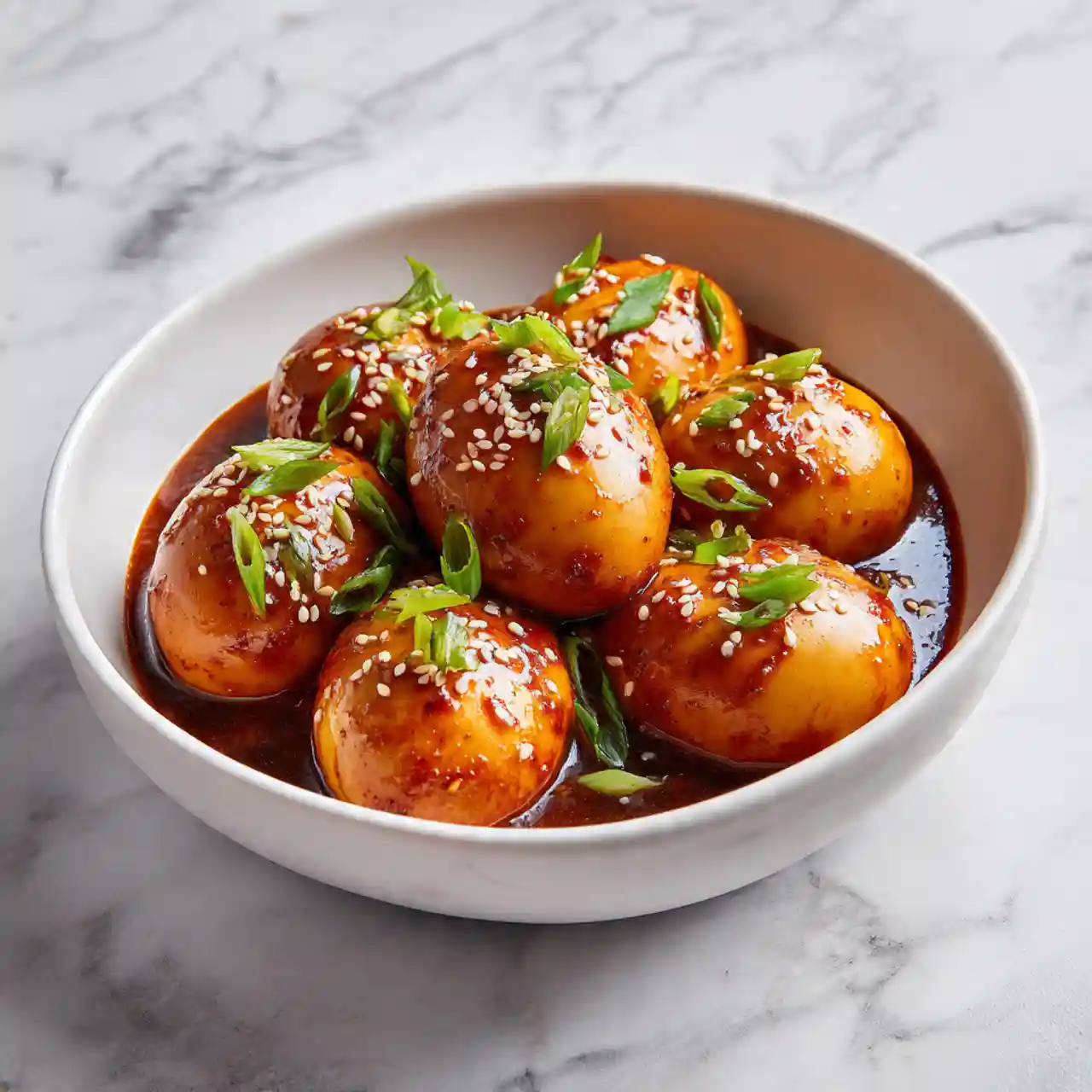
Gochujang Eggs Recipe – Easy, Spicy & Protein-Packed Breakfast
Gochujang Eggs
There are few things more comforting in the kitchen than a recipe that’s quick, flavorful, and a little adventurous. As someone who has spent decades experimenting with flavors and cooking for both family and friends, I can confidently say that Gochujang Eggs are one of those dishes that are simple yet incredibly satisfying.
This recipe takes ordinary eggs and elevates them with the bold, savory-sweet flavor of gochujang, a Korean chili paste that’s rich in umami. The result is a dish that’s vibrant, colorful, and full of personality. Whether you’re looking for a hearty breakfast, a quick lunch, or even a snack, these eggs are versatile enough to fit any meal. They bring warmth, comfort, and a touch of excitement to your plate all in under 20 minutes.
Why You’ll Love This Gochujang Eggs
First and foremost, Gochujang Eggs are incredibly easy to make. You don’t need to be a professional cook or spend hours in the kitchen to create something truly delicious. In just a few simple steps, you can transform basic eggs into a dish bursting with flavor.
Second, they strike the perfect balance between boldness and comfort. The spicy-sweet depth of gochujang pairs beautifully with creamy, soft-cooked eggs, making every bite rich and satisfying. It’s a dish that feels indulgent without being heavy.
Lastly, these eggs are versatile. You can serve them over rice for a quick lunch, in a bowl with vegetables for a light dinner, or even as a snack when you need something flavorful and filling. This flexibility makes them perfect for busy lifestyles.
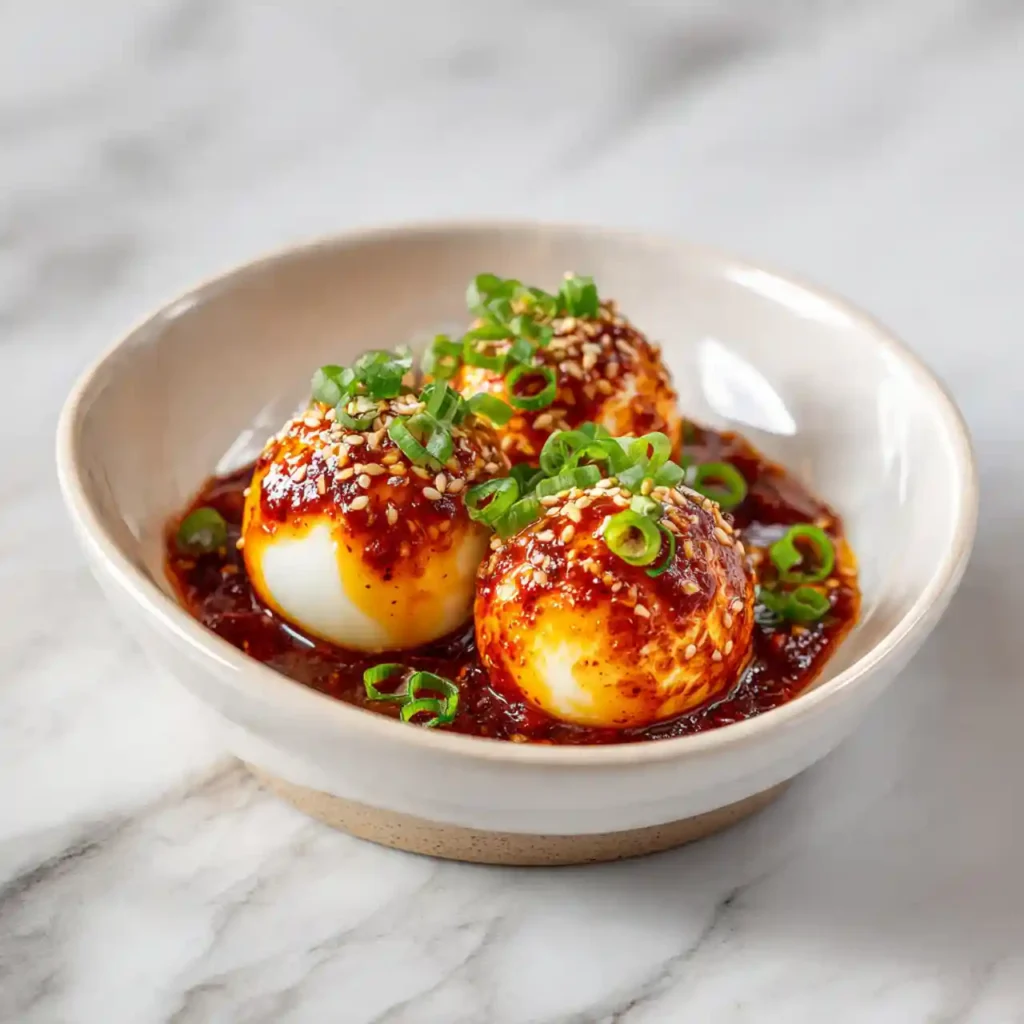
Is Gochujang Eggs Healthy?
Absolutely! While indulgent in flavor, Gochujang Eggs are surprisingly nourishing. Eggs are a fantastic source of high-quality protein, healthy fats, and essential vitamins and minerals like vitamin B12 and choline.
Gochujang, though bold in flavor, contains fermented ingredients that can support digestion and gut health. Of course, moderation is key with any seasoning paste that contains sugar or salt, but used correctly, it adds a punch of flavor without overwhelming your diet.
You can make the dish even healthier by pairing it with vegetables such as spinach, cucumbers, or steamed broccoli. This way, it’s a balanced meal that’s as wholesome as it is tasty.
How to Make Gochujang Eggs
- Prepare your eggs – Start by boiling or poaching your eggs to your preferred doneness. Soft-cooked eggs work best as the yolk adds richness to the dish.
- Make the sauce – In a small pan, combine gochujang, soy sauce, sesame oil, and a little honey or sugar. Stir until smooth and gently warm the mixture.
- Coat the eggs – Once the eggs are ready, peel them if boiled, or keep them whole if poached, and gently toss them in the gochujang sauce until evenly coated.
- Garnish – Sprinkle sesame seeds and chopped green onions on top for added texture and freshness.
- Serve immediately – These eggs are best enjoyed warm, straight from the pan or bowl.
Add Your Touch to Gochujang Eggs
One of the joys of cooking is making a recipe your own. Consider adding sliced avocado, a drizzle of sriracha, or a sprinkle of crushed seaweed for extra flavor. For a crunchier bite, top with toasted sesame seeds or finely chopped peanuts.
You can also serve these eggs over a bowl of rice, noodles, or sautéed vegetables. The dish adapts beautifully to your preferences, making it a canvas for your culinary creativity.
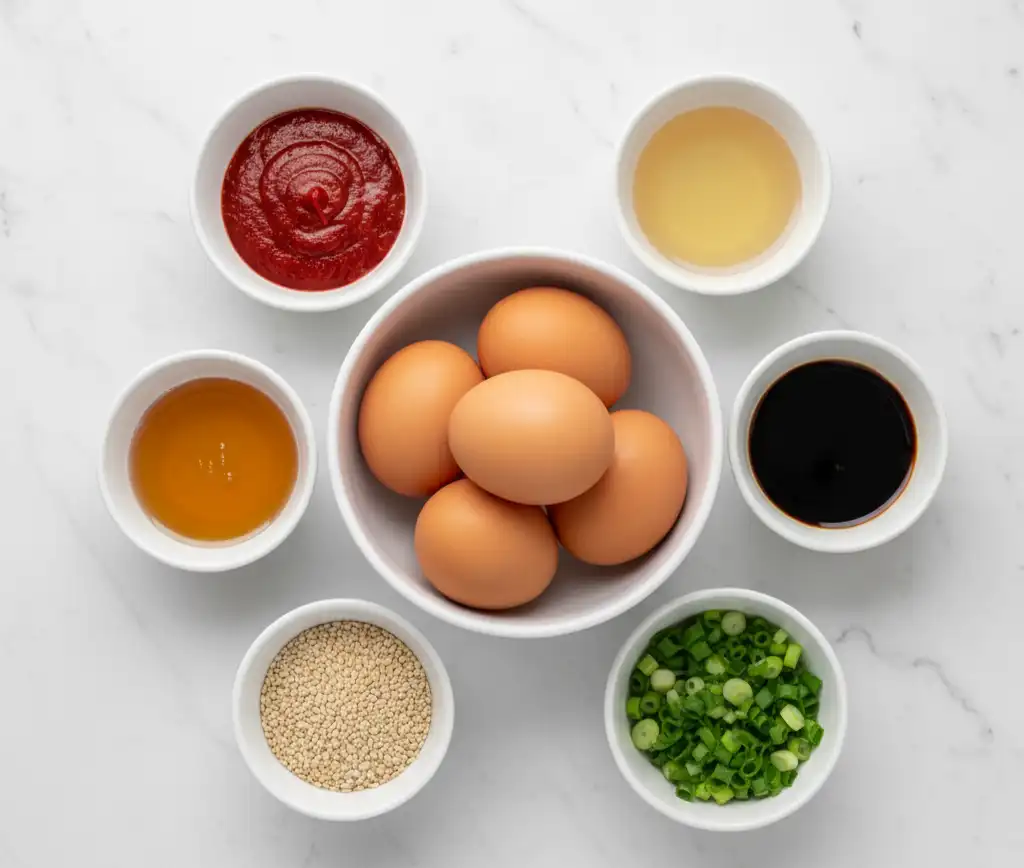
Ingredients for Gochujang Eggs
- 4 eggs
- 2 tablespoons gochujang (Korean chili paste)
- 1 teaspoon sesame oil
- 1 teaspoon soy sauce
- 1 teaspoon honey or brown sugar
- 1 teaspoon sesame seeds (for garnish)
- 1-2 green onions, finely chopped (for garnish)
- Optional: avocado, seaweed, or vegetables for serving
Serving Suggestions for Gochujang Eggs
- Over steamed white or brown rice for a hearty lunch or dinner
- With sautéed spinach or bok choy for a nutritious meal
- On toast or in a sandwich for a fun breakfast twist
- With noodles or ramen bowls for a flavorful fusion dish
Watch Out for These Mistakes While Cooking
- Overcooking the eggs – Soft-cooked eggs are key to a creamy texture. Boiling too long will make the yolk hard and dry.
- Too much sauce – Start with a small amount of gochujang and adjust to taste. You can always add more but you can’t remove excess spice once it’s on.
- Not garnishing – The sesame seeds and green onions add freshness and texture that elevate the dish. Don’t skip them!
Another Recipes Like This Recipe
If you love Gochujang Eggs, you might also enjoy:
These dishes share the same bold, flavorful profile that makes Korean-inspired cooking so exciting.

FAQs
Can I use regular chili paste instead of gochujang?
Yes, but the flavor will be slightly different. Gochujang has a unique fermented depth that other chili pastes lack.
Can I make this recipe ahead of time?
It’s best fresh, but you can prepare the sauce in advance and heat it gently before adding the eggs.
Can I use fried eggs instead?
Absolutely! Fried eggs with runny yolks work wonderfully with gochujang sauce.
Is this dish spicy?
It has a mild to moderate spice level, but you can adjust by using less gochujang or adding more honey to balance the heat.
Conclusion
Gochujang Eggs are a perfect example of how simple ingredients can create something extraordinary. They are quick to prepare, packed with bold flavors, and wonderfully versatile. Whether you serve them over rice, with vegetables, or as a snack, they are sure to become a staple in your kitchen.
This dish is proof that comfort food doesn’t have to be ordinary, and with a little creativity, even a humble egg can become a star on your plate.
Recipe Summary
Servings: 2-4
Preparation Time: 5 minutes
Cooking Time: 10 minutes
Total Time: 15 minutes
Calories: Approximately 250 per serving
Level of Difficulty: Easy
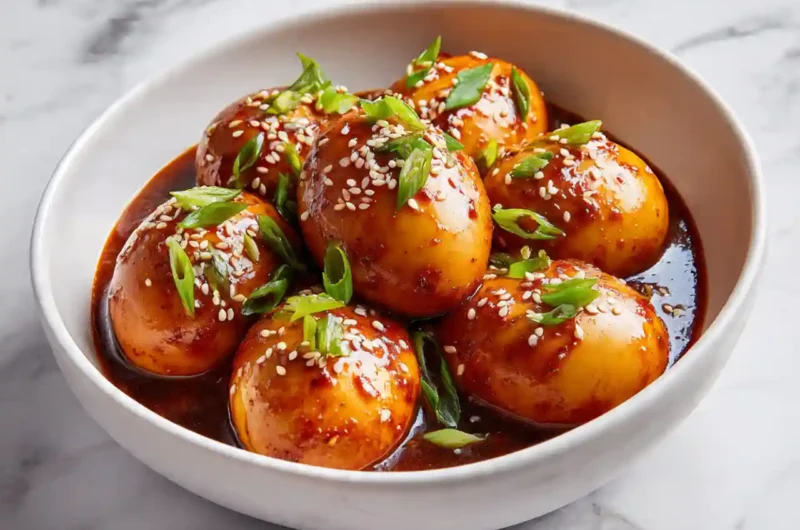
Gochujang Eggs
2-4
servings5
minutes10
minutes250
kcalIngredients
4 eggs
2 tablespoons gochujang (Korean chili paste)
1 teaspoon sesame oil
1 teaspoon soy sauce
1 teaspoon honey or brown sugar
1 teaspoon sesame seeds (for garnish)
1-2 green onions, finely chopped (for garnish)